Cost of Studying Petroleum Engineering in Malaysia 2026: Does It Suit You as a Student?
When you hear the name Malaysia, the famous Petronas Twin Towers in Kuala Lumpur immediately come to mind. This iconic landmark reflects the strength and standing of the national company "Petronas," which is one of the largest energy corporations worldwide.
The presence of these giant corporations makes studying oil and gas engineering in Malaysia a golden opportunity to build an outstanding professional future. Because financial planning is the first step that matters to you and your family, this guide from "Amal Educational" provides a comprehensive and simple overview of the cost of studying petroleum engineering in Malaysia for 2026, alongside admission requirements and top accredited universities.
Why Choose to Study Petroleum Engineering in Malaysia?
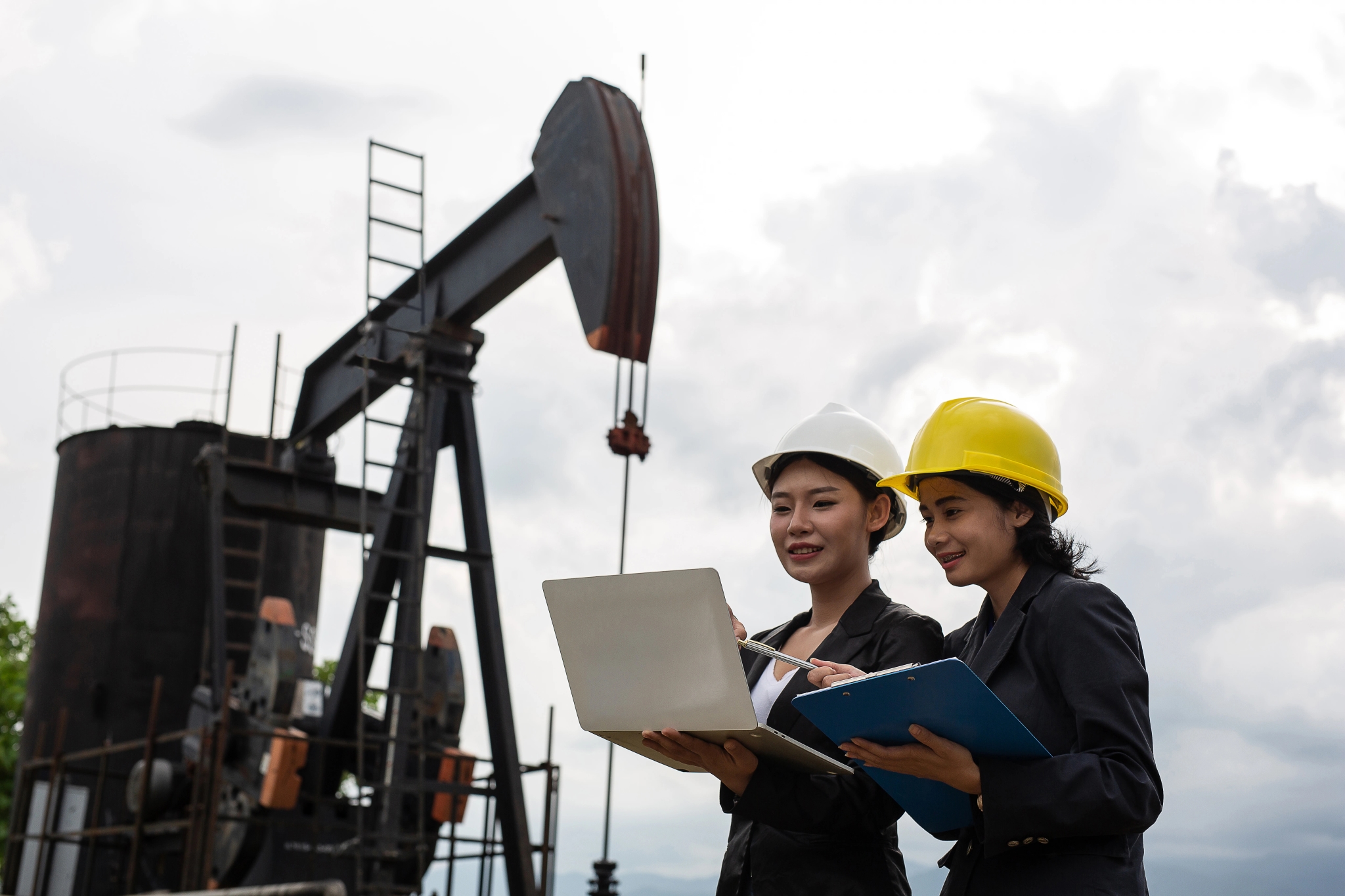
Along with the reasonable cost of studying petroleum engineering in Malaysia compared to Western destinations, universities there provide an environment combining enjoyable learning with real hands-on training:
Direct Partnership with Major Energy Companies (Petronas): The presence of Petronas headquarters inside Malaysia helps universities update their curricula continuously according to market needs, ensuring you learn everything required for direct post-graduation employment.
Modern Laboratories and Real-World Simulation: Faculties allow you to train inside laboratories equipped with the latest software, drilling simulators, and oil well tracking systems.
Focus on Research and Environmental Protection: During your studies, you participate in scientific projects searching for efficient extraction methods that protect the environment and minimize waste.
English-Taught Programs in a Comfortable Environment: All programs are delivered entirely in English, within a safe environment and a culture highly suitable for Arab students.
High-Quality Education on an Affordable Budget: Malaysia achieves the best balance between global degree recognition, reasonable tuition fees, and economical living expenses.
Is Studying Petroleum Engineering in Malaysia Internationally and Regionally Recognized?
Yes, petroleum engineering degrees issued by Malaysian universities are recognized in most countries around the world, especially when fulfilling the following points:
Malaysian Qualifications Agency (MQA) Accreditation: To verify that the program is officially registered with the Malaysian Ministry of Higher Education and meets national quality benchmarks.
Engineering Accreditation Council (EAC) Accreditation: Ensuring that curricula comply with the highest international engineering standards.
Inclusion in Higher Education Ministries' Recognition Lists: Within your home country or the country where you plan to work in the future.
When choosing a university that meets these accreditations, your degree becomes recognized within Malaysia, across Arab countries, and in all signatory nations of the international Washington Accord, such as the United States, the United Kingdom, Canada, and Australia.
Cost of Studying Petroleum Engineering in Malaysia by Degree Level
Annual tuition fees vary depending on the academic degree level you plan to pursue:
Bachelor of Petroleum Engineering:
Duration of Study: 4 years.
Annual Tuition Fees: Ranges between $3,758 to $10,313 USD.
Master of Petroleum Engineering:
Duration of Study: From 1.5 to 2 years.
Annual Tuition Fees: Ranges between $3,550 to $10,288 USD.
Ph.D. in Petroleum Engineering:
Duration of Study: 3 years.
Annual Tuition Fees: Ranges between $3,735 to $5,833 USD.
Cost of Studying Petroleum Engineering in Malaysia at Top Universities
Malaysia hosts a distinguished group of top-ranked and accredited institutions:
Universiti Teknologi Malaysia (UTM):
Global Ranking: #153
Annual Tuition Fees: Around $3,758 USD (considered one of the best economical options due to its public university efficiency).
Universiti Teknologi PETRONAS (UTP):
Global Ranking: #251
Annual Tuition Fees: Around $10,313 USD (the premier choice in energy specializations due to its direct affiliation with Petronas).
Asia Pacific University (APU):
Global Ranking: #597
Annual Tuition Fees: Around $8,575 USD (offers scholarships and discounts reaching up to 30%).
Global Ranking: #269
Annual Tuition Fees: Around $6,462 USD (available discounts reach up to 25%).
Universiti Kuala Lumpur (UniKL):
Global Ranking: #1201-1400
Annual Tuition Fees: Around $5,850 USD.
(Discount rates depend on your nationality and high school GPA; you can contact the Amal Educational team to calculate the exact discount applicable to you).
Curriculum of Petroleum Engineering in Malaysia
Academic programs ensure comprehensive coverage of theoretical knowledge and practical skills throughout the study years:
Year 1: Study of Engineering Materials properties, Engineering Mathematics, and principles of Engineering Drawing & Design.
Year 2: Fluid Mechanics, Thermodynamics & Heat Transfer, and application of Engineering Software.
Year 3: Well Drilling Engineering, Reservoir Simulation, and Oil & Gas Production Operations management.
Year 4: Industrial Internship in corporations, Final Year Project (FYP), Petroleum Economics, and Well Diagnosis and Treatment methods.
Key Specializations and Programs of Petroleum Engineering in Malaysian Universities
Academic pathways and programs vary to cover different energy sectors:
Bachelor of Science in Petroleum Chemistry: Available at Universiti Putra Malaysia (UPM), focusing on the chemical composition of petroleum derivatives and their industrial applications.
Bachelor and Master of Petroleum Engineering: Offered by UTM, focusing on drilling, extraction techniques, and reservoir management.
Bachelor of Petroleum Engineering: Available at UCSI University, heavily focusing on practical applications and field projects.
Bachelor of Petroleum Engineering: Offered by APU, utilizing modern technology and digital simulation software.
Master of Science in Petroleum Engineering: Offered by UTP to enhance engineers' competencies in leading operations and field development.
Master of Science in Petroleum Geoscience: Also available at UTP, focusing on studying geological strata and subsurface oil and gas exploration.
Admission Requirements for Studying Petroleum Engineering in Malaysia

Admission criteria across Malaysian universities are straightforward and clear, categorized by degree level as follows:
1. Bachelor's Degree Admission Requirements:
Secondary School Certificate: Completion of High School (Scientific Track) or its international equivalent with a minimum score of 70% in Mathematics and Physics.
Foundation Year: If your score in science subjects is below 70%, you first enroll in a university preparatory Foundation year leading directly to the Bachelor's degree.
English Proficiency: Submission of an IELTS score of 6.0 or a TOEFL score of 550.
Studying English at the University (Available Alternative): If you do not hold a language certificate, you can enroll in an intensive English program at the university institute for 4 to 6 months prior to starting specialized courses.
Additional Assessments: Some universities may require a basic internal placement test or a short interview to evaluate your academic level.
2. Master's Degree Admission Requirements:
Previous Qualification: Holding a Bachelor's degree in Petroleum Engineering or a closely related scientific/engineering discipline.
Cumulative GPA: A minimum CGPA of 3.00 out of 4.00 (or a high Good standing equivalent).
Required Documents: Official transcripts, CV, and recommendation letters from your professors.
Motivation Letter: Writing a concise statement outlining your reasons for applying and your program objectives.
English Level: Obtaining IELTS 6.0 or taking a preparatory language course at the university.
Research Proposal & Experience: Research-based Master's programs require an initial research proposal; practical experience in oil companies provides added priority during admission.
3. Ph.D. Degree Admission Requirements:
Previous Qualification: Holding a Master's degree in Petroleum Engineering, Geoscience, or a related discipline.
GPA: A cumulative GPA generally ranging between 3.00 and 3.50 out of 4.00 in the Master's stage.
Research Proposal: Preparing a research proposal detailing the concept, objectives, and planned methodology.
Supporting Documents: Academic CV, academic recommendation letters, and a statement of research interests.
Language Proof: Achieving the required score in IELTS or TOEFL, or joining the university language course.
Academic Interview: Attending an interview to discuss your research proposal and ensure an appropriate faculty supervisor is available for your topic.
(Please note that exact details may vary between universities; the "Amal Educational" team reviews your profile and helps you select the best path free of charge).
Integration of Engineering Disciplines in the Oil and Gas Sector
Petroleum Engineering: Focuses on exploration and extraction of oil and gas from subsurface reservoirs.
Petrochemical Engineering: Manages converting these raw resources into practical end products like fuels and plastics.
Chemical Engineering: Supports both disciplines by designing faster, more cost-effective industrial processing methods.
Career Opportunities and Job Roles for Petroleum Engineering Graduates
Graduating from this specialization opens broad, in-demand employment avenues across major global energy companies, including:
Drilling Engineer
Reservoir Engineer
Production & Operations Engineer
Offshore & Subsea Engineer
Process & Mud Engineer
Well Completion Engineer
Health & Safety Engineer
Cost & Project Development Engineer
Comparison of Petroleum Engineering Costs: Malaysia vs. UK, Australia & US

This comparison highlights the clear differences in tuition fees and living expenses:
Malaysia:
Study Duration: 4 years.
Top University Rank: #58 globally.
Annual Tuition: $3,758 – $10,313 USD.
Average Annual Living Cost: Around $5,550 USD.
United Kingdom (UK):
Study Duration: 3 to 4 years.
Top University Rank: #2 globally.
Annual Tuition: Starting from $14,808 USD.
Average Annual Living Cost: Around $9,538 USD.
Australia:
Study Duration: 4 years.
Top University Rank: #19 globally.
Annual Tuition: $18,367 – $19,524 USD.
Average Annual Living Cost: Around $14,557 USD.
United States (US):
Study Duration: 4 years.
Top University Rank: #1 globally.
Annual Tuition: $16,802 – $46,932 USD.
Average Annual Living Cost: Around $13,250 USD.
Challenges and Drawbacks of Studying Petroleum Engineering in Malaysia
To be fully aware of all aspects prior to traveling, here are key points to consider:
Campus Locations Outside City Centers: Headquarters and branch campuses of petroleum engineering faculties are frequently situated in quieter suburbs outside the bustle of central capital areas.
Basic Local Language Course: The Ministry of Higher Education requires international students to complete a basic, introductory Malaysian language course as a general graduation requirement.
Strict Science Subject Criteria: The specialization demands solid academic aptitude, which is why universities closely evaluate high school grades in Mathematics, Physics, and Chemistry.
Get Your University Admission for Free and Discover More About the Cost of Studying Petroleum Engineering in Malaysia with "Amal Educational"!
Now that you understand the cost of studying petroleum engineering in Malaysia and the promising opportunities ahead, you can start applying smoothly and without any agency service fees:
We help you choose the best-suited university for your budget and academic grades.
We review your documents and secure your direct university offer letter 100% free of charge.
We assist you in processing the student visa, arranging housing, and airport pick-up upon arrival.
Contact the "Amal Educational" team now: Click here to chat directly via WhatsApp, receive your free consultation, and start your application immediately!
FAQ
Ready to study in Malaysia?
We provide expert guidance, smooth admissions, and personalized support to make studying abroad easier than ever.